Sewn in, not fitted
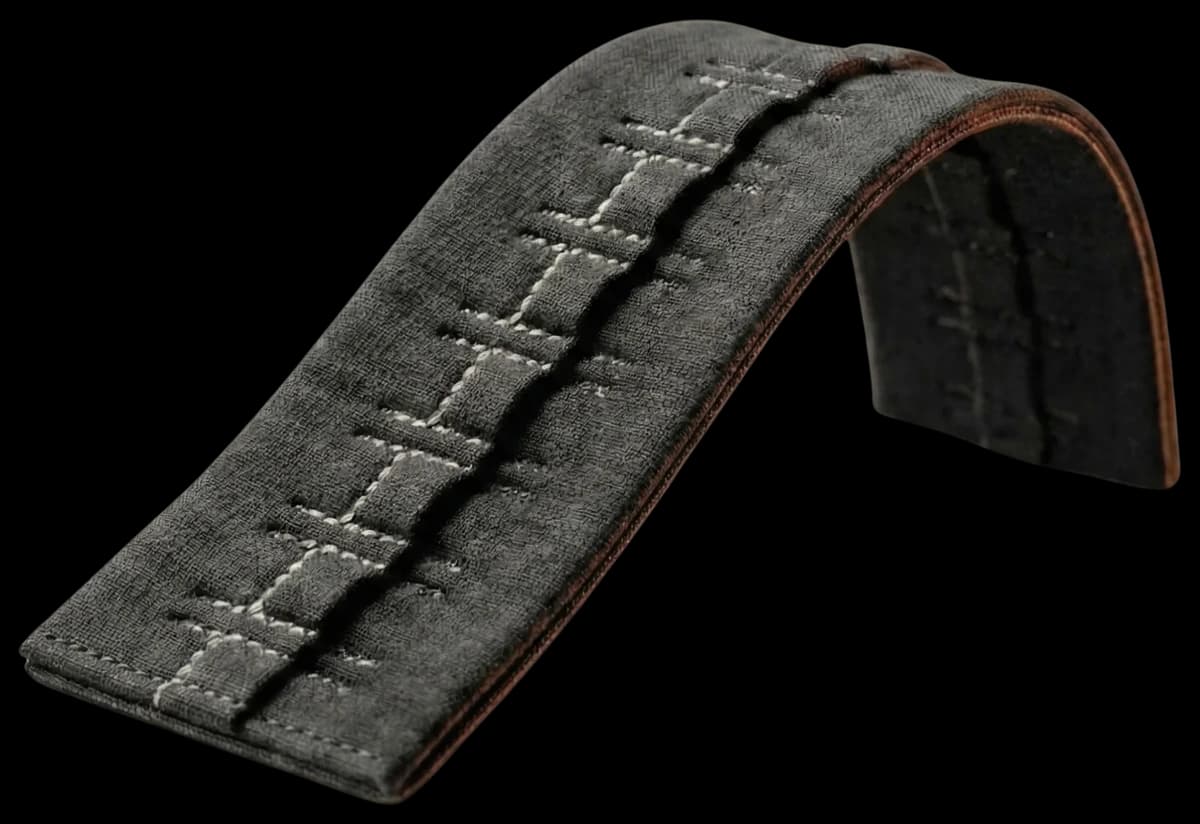
The tape is stitched into the product like a conventional zipper tape, and sold by the metre.
Magnetic zipper tape
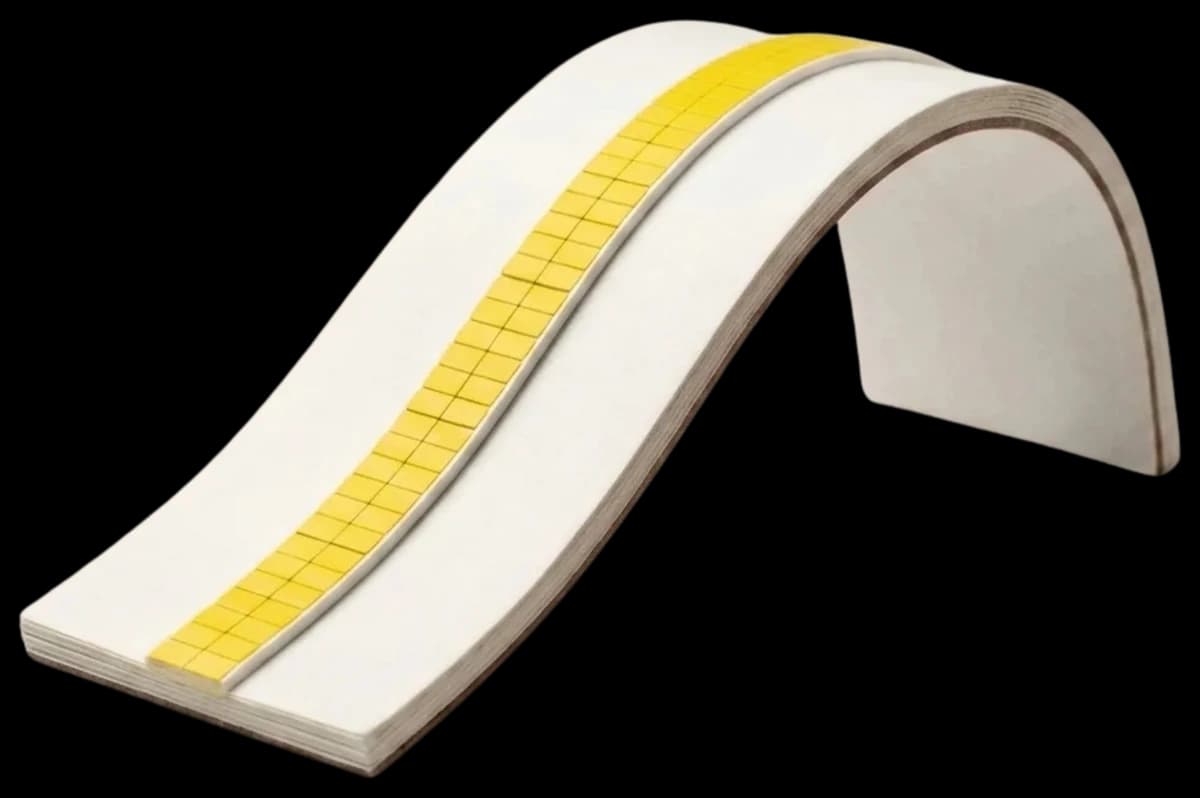
Magnetic zipper tape, also called magnetic snap tape: Nd-Fe-B magnets are heat-sealed inside a flexible 20 mm textile band that your workshop stitches in like a conventional zipper tape, with no slider and no rigid part. Designed and assembled in France by SYSTEMMAG since 2000, under 9 international patents.
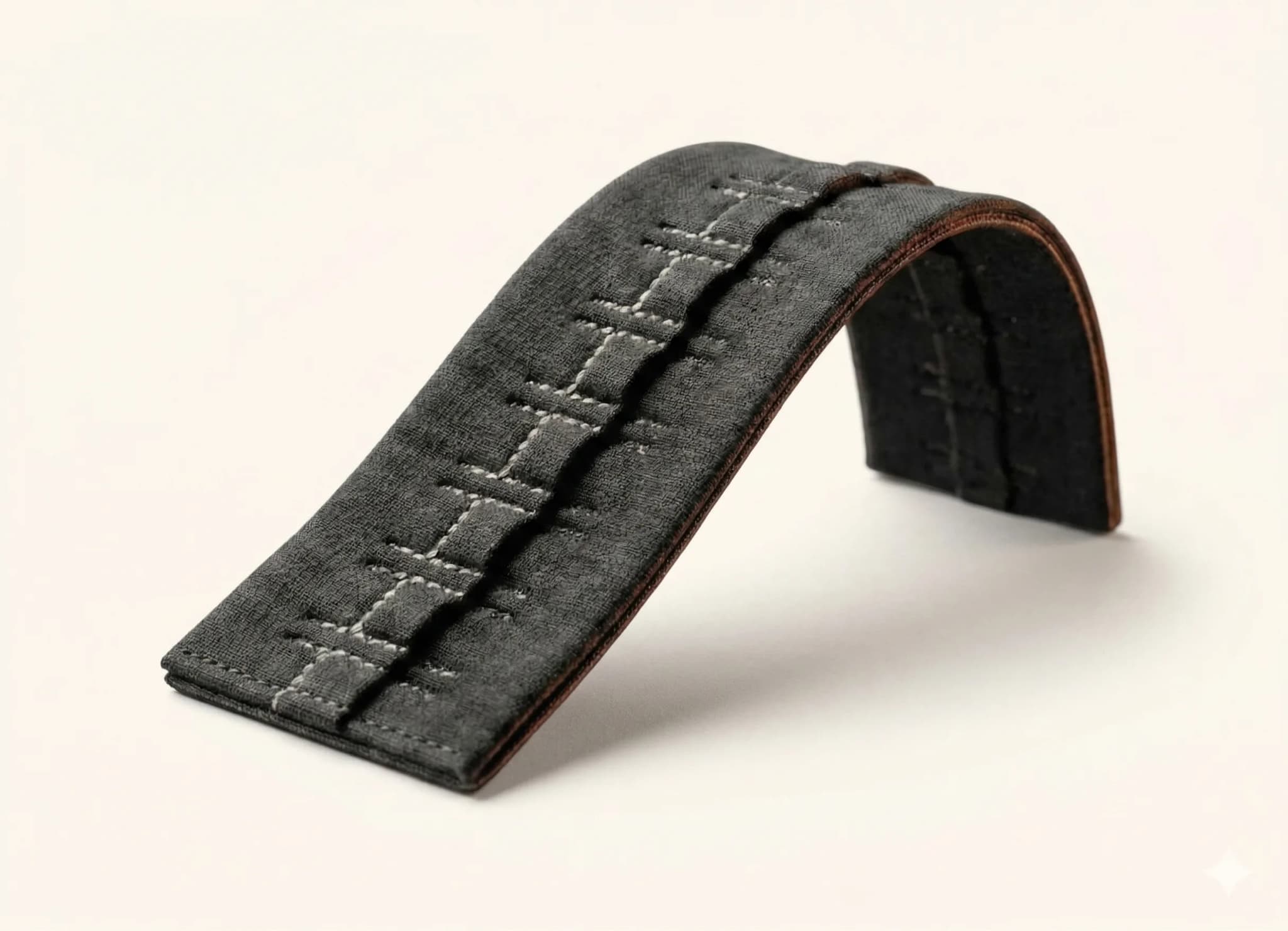
The tape is stitched into the product like a conventional zipper tape, and sold by the metre.
Alternating polarity aligns both sides on contact: one hand is enough, with no aiming.
A progressive lateral gesture separates the tape, with no puller to grip.
ZC-01 to ZC-10 for the side geometry, ZG-01 to ZG-10 for the centred one, each with its own datasheet.
Working principle
Two geometries
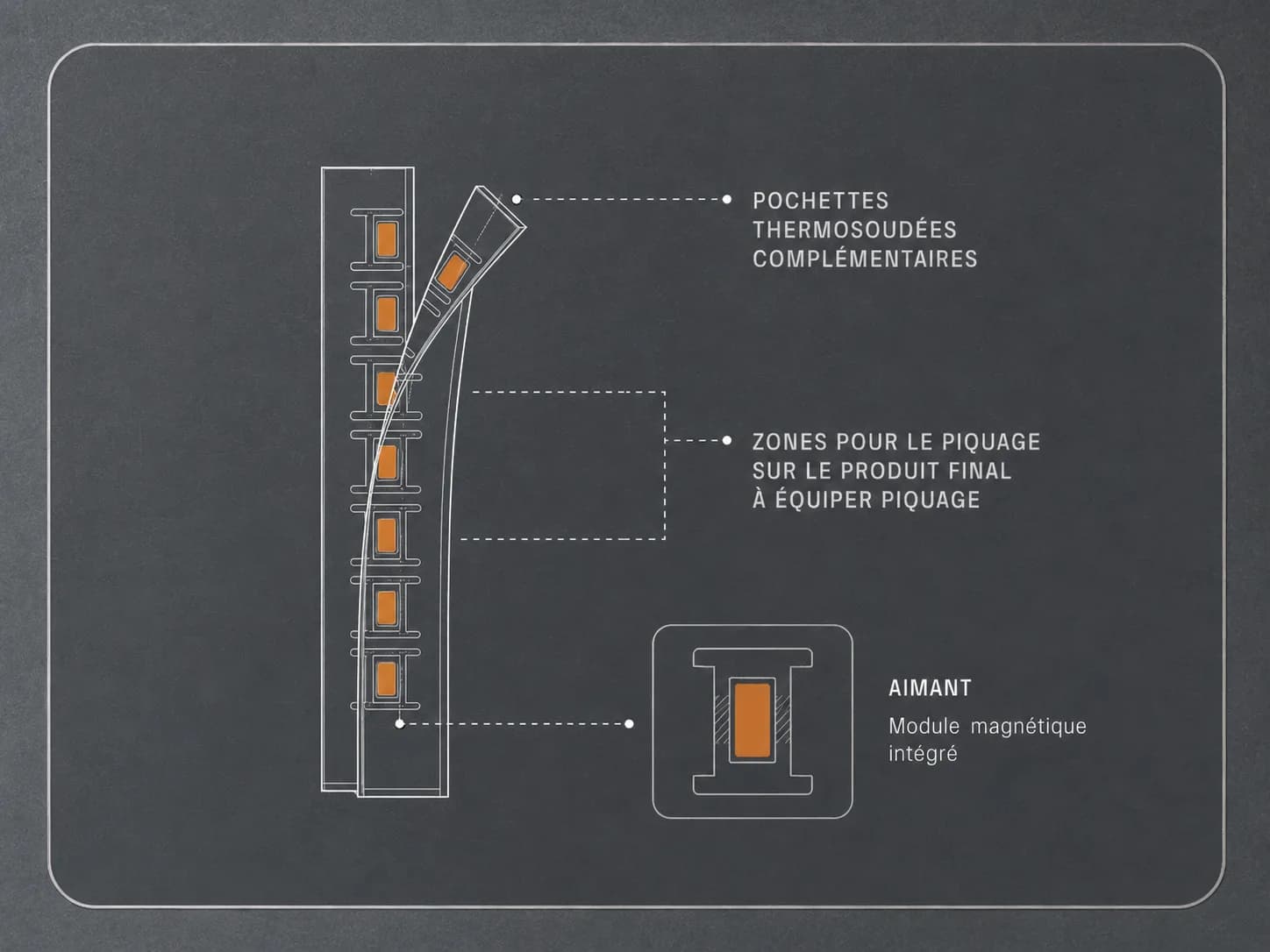
ZIP C runs along edges, flaps, pockets and off-centre openings. ZIP G sits centred on front openings and flat alignments. Both come in N40 as standard, with N45 to N52 on request, and are cut to the length your product needs.
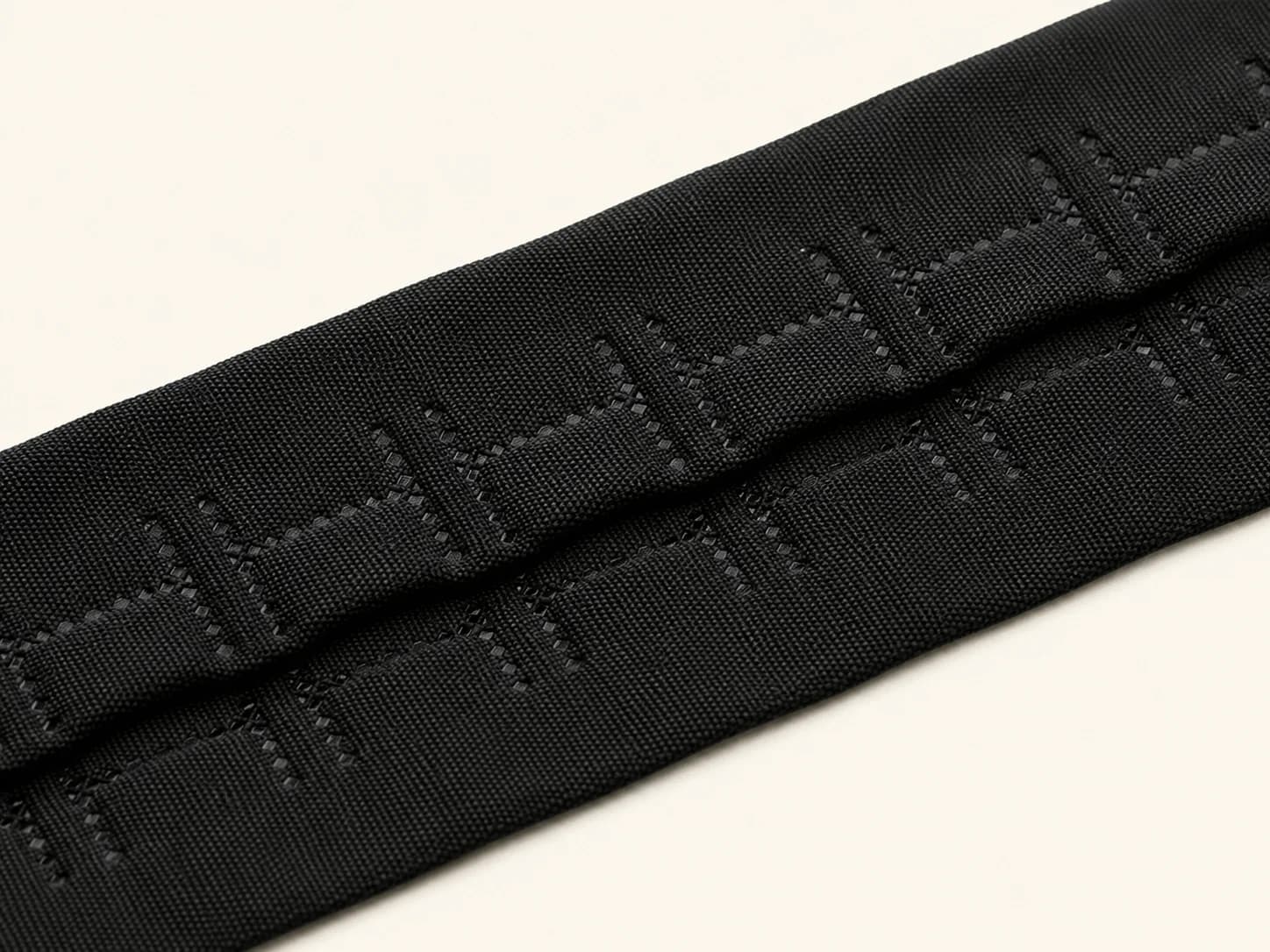
The ZIP C is designed for edges, flaps, pockets and off-centre openings. The magnetic pockets are positioned on one side of the textile band.
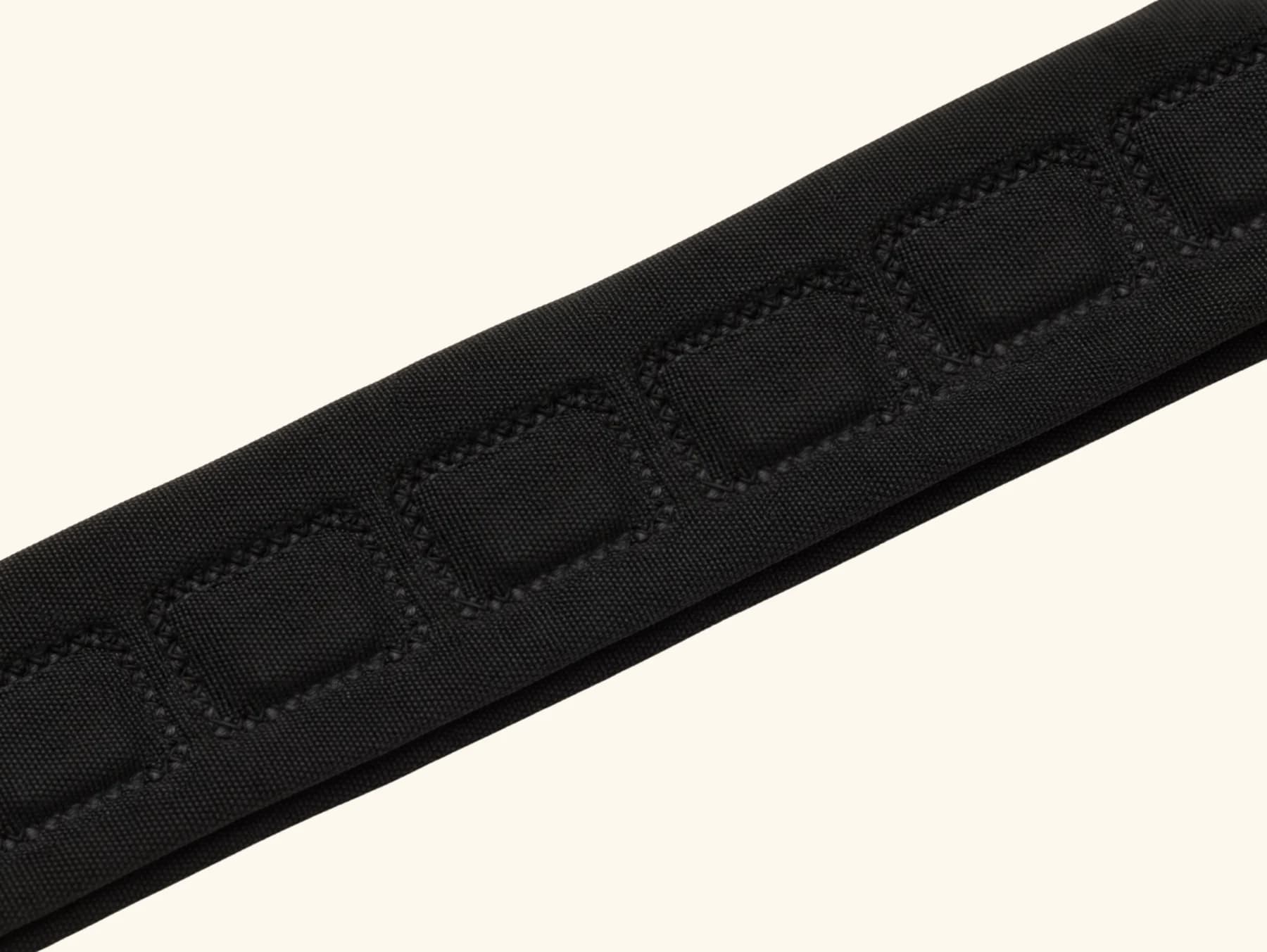
The ZIP G is designed for front openings and flat alignments. The magnetic pockets are centred, with stitching zones on both sides.
Available spacings
1.2 cm spacing
For more demanding hold

3 cm spacing
Balance of strength and flexibility

5 cm spacing
Long runs and easy opening

Integration approaches
Keep the same navigation principle across zips, strips, blocks, sheaths and custom developments.
Ready to sew in, in side (ZIP C) or centred (ZIP G) geometry, for openings that must stay discreet.
Technical scoping, integration drawing and adaptation to your product's constraints.
Magnetic closure or snap fastener for adaptive clothing: the five selection criteria.
Close with one hand, without aiming: the magnetic zip in adaptive clothing.
How the zip positions itself and opens without effort.
Tell us the substrate, the closing gesture and the volume. Our engineering office recommends a geometry, a spacing and a grade, then sends a sample to test on your own prototype. Minimum order on request.