Scoping
Substrate, material, expected gesture and usage constraints are qualified before choosing a format.
Our story
Since 2000, Systemmag has designed, produced and sold discreet, reliable magnetic closure systems that integrate into a wide range of products and equipment.
History & craft
We keep the founding story and tie it to Systemmag know-how: framing the gesture, prototyping on real material, then locking down a textile architecture ready for production.
Substrate, material, expected gesture and usage constraints are qualified before choosing a format.
The solution is drawn according to the geometry, the area to equip and the level of hold required.
A functional mock-up lets you test the sewing, the comfort, the opening and the repeatability.
Settings are made on the real part before freezing the format and the attachment recommendations.
Dimensions, bill of materials, control and industrial transfer are prepared for your production.
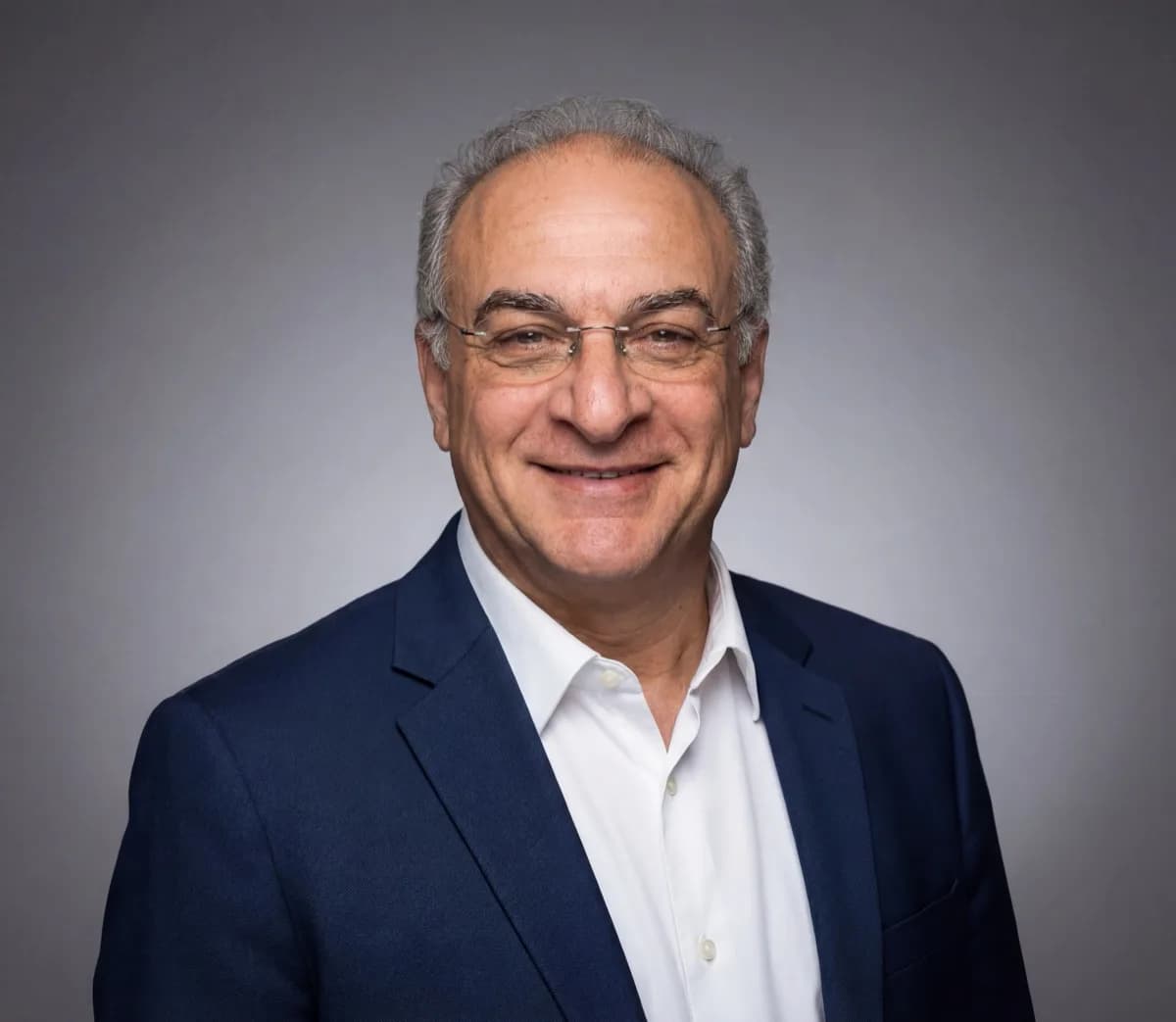
The trigger. Eric Sitbon, then working in children’s clothing, notices that his son cannot open his overalls in time. Snap buttons, zips and hook-and-loop closures are designed for adult hands. The fastening interface is the weak point of the garment. He starts experimenting with neodymium magnets.
The original overalls, the spark
Eric files his first patent: a magnetic fastening system with alternating polarities for garments and accessories. Self-taught, he designs and tests the first prototypes himself.
FR2786669B1Google Patents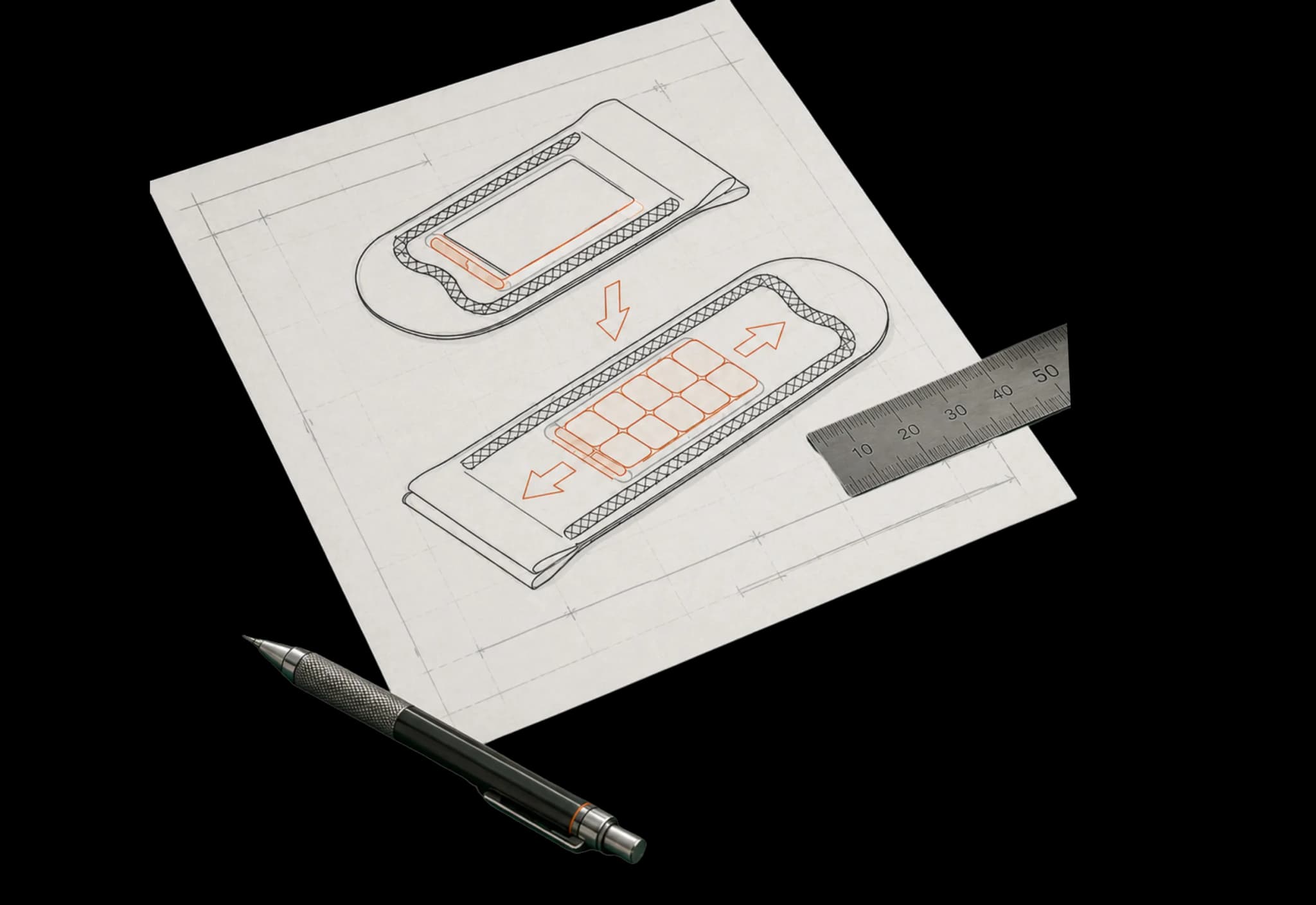
Drawing, patent and architecture
Eric founds SYSTEMMAG in Paris, at 20 rue Bouvier (11th arrondissement). That same year, he is a laureate of the French national competition for innovative technology companies (Ministry of Research / ANVAR), 2000 edition, creation category.
Workshop mastery and production
The technology becomes more refined: the magnets get smaller and more powerful. The system starts attracting interest from fashion and lingerie brands.
FR2834622A1Google Patents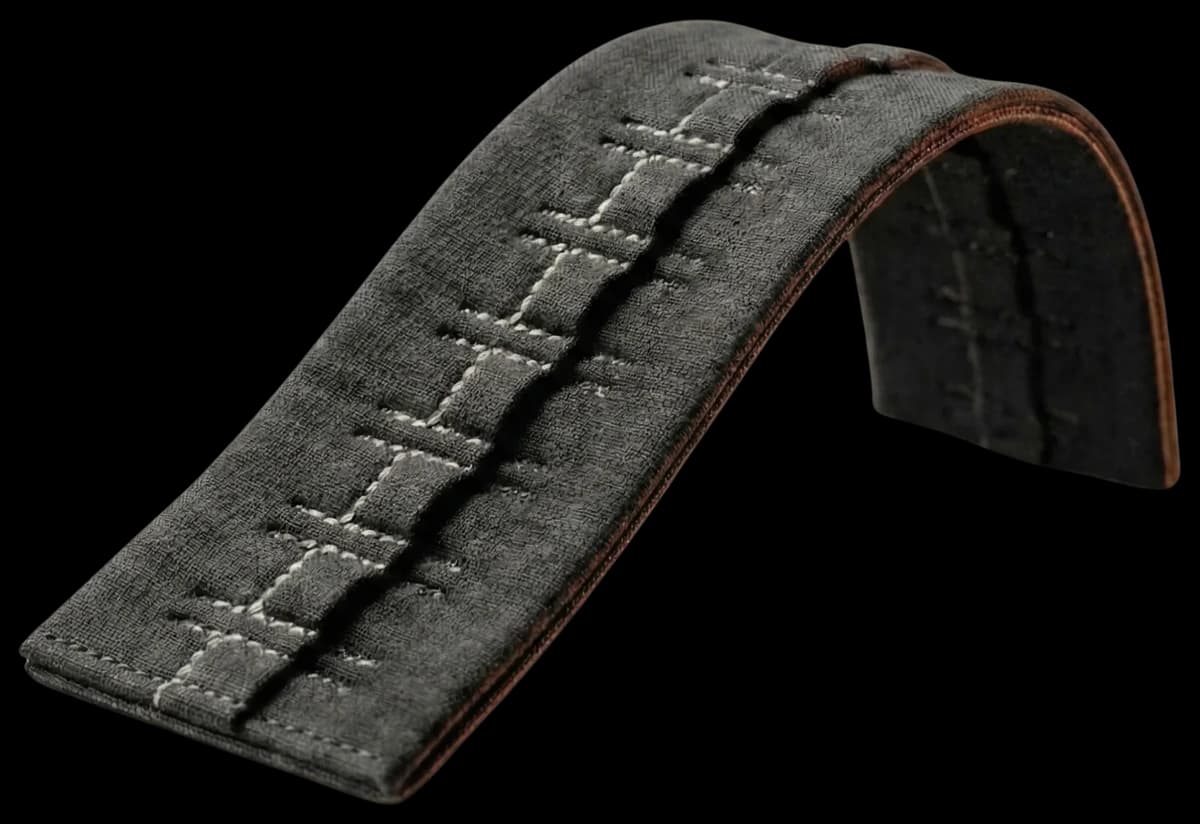
Compact, integrable formats
Patent filing for the articulated magnetic mechanism, the core of Systemmag technology. The system enables continuous adjustment and omnidirectional closure. Eric develops the first medical applications and the technology appears in French media.
FR2905234B1Google Patents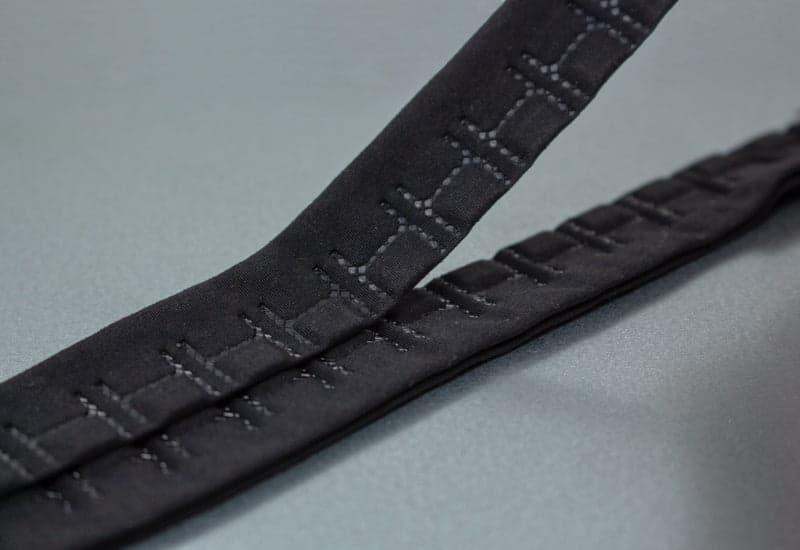
Qualification on real material
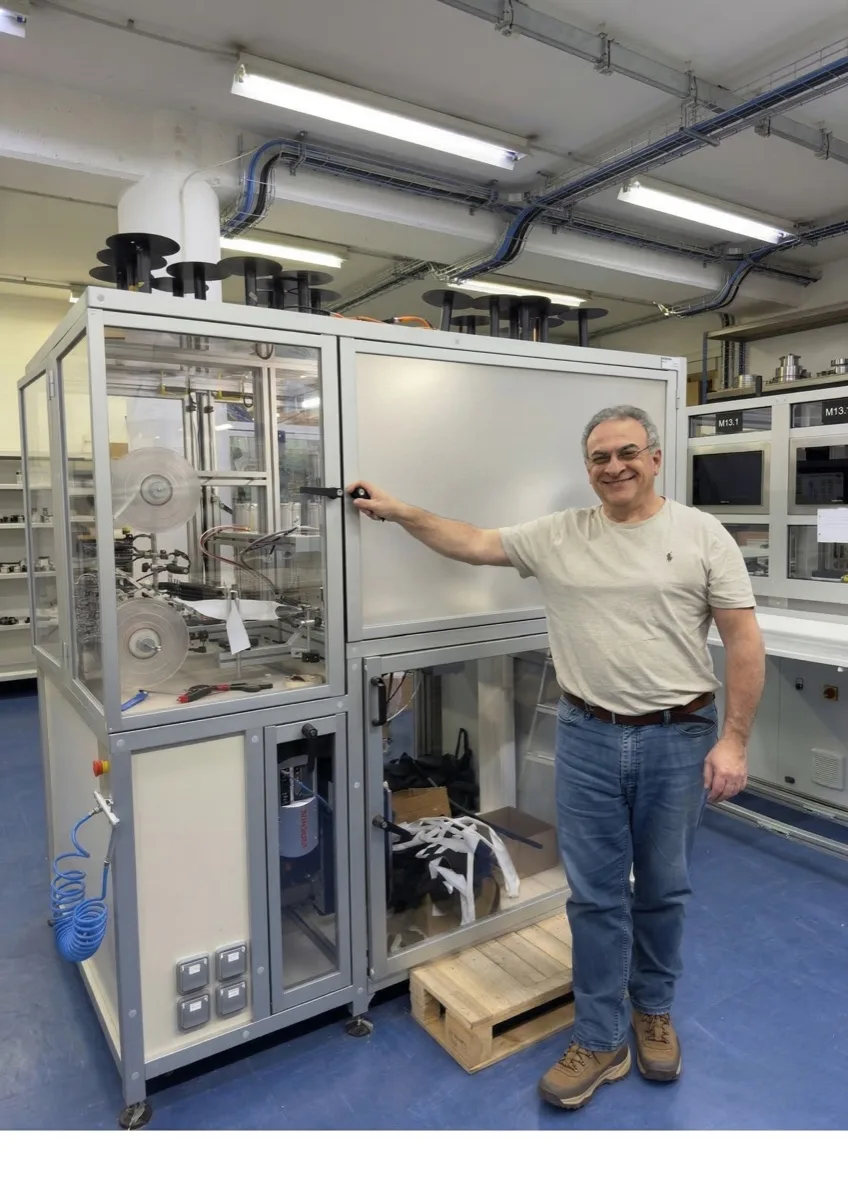
International extension of patents in Europe, the United States and China. Eric signs the first industrial partnerships and designs proprietary production machines in the Paris workshop.
EP2066191B1Google Patents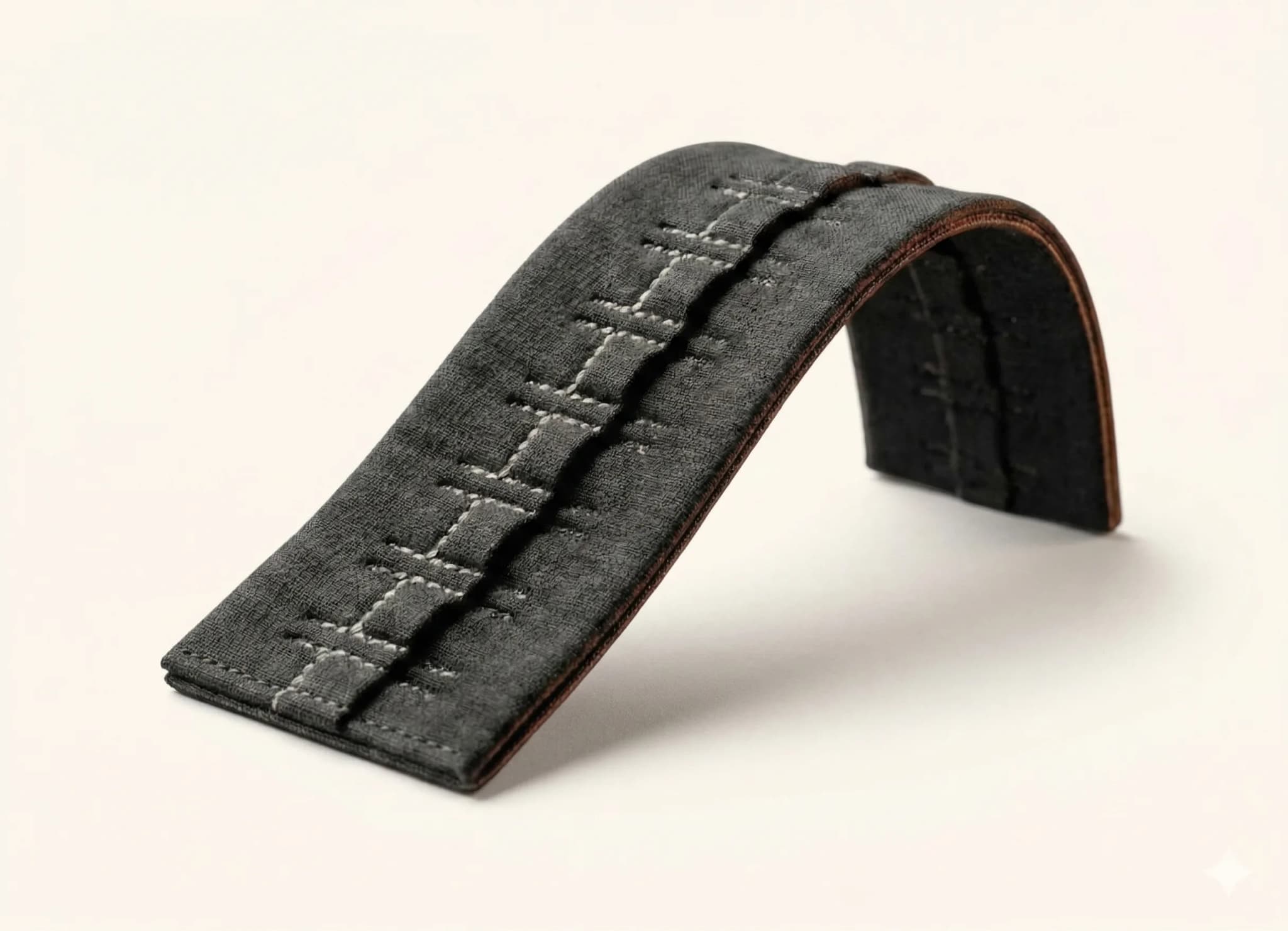
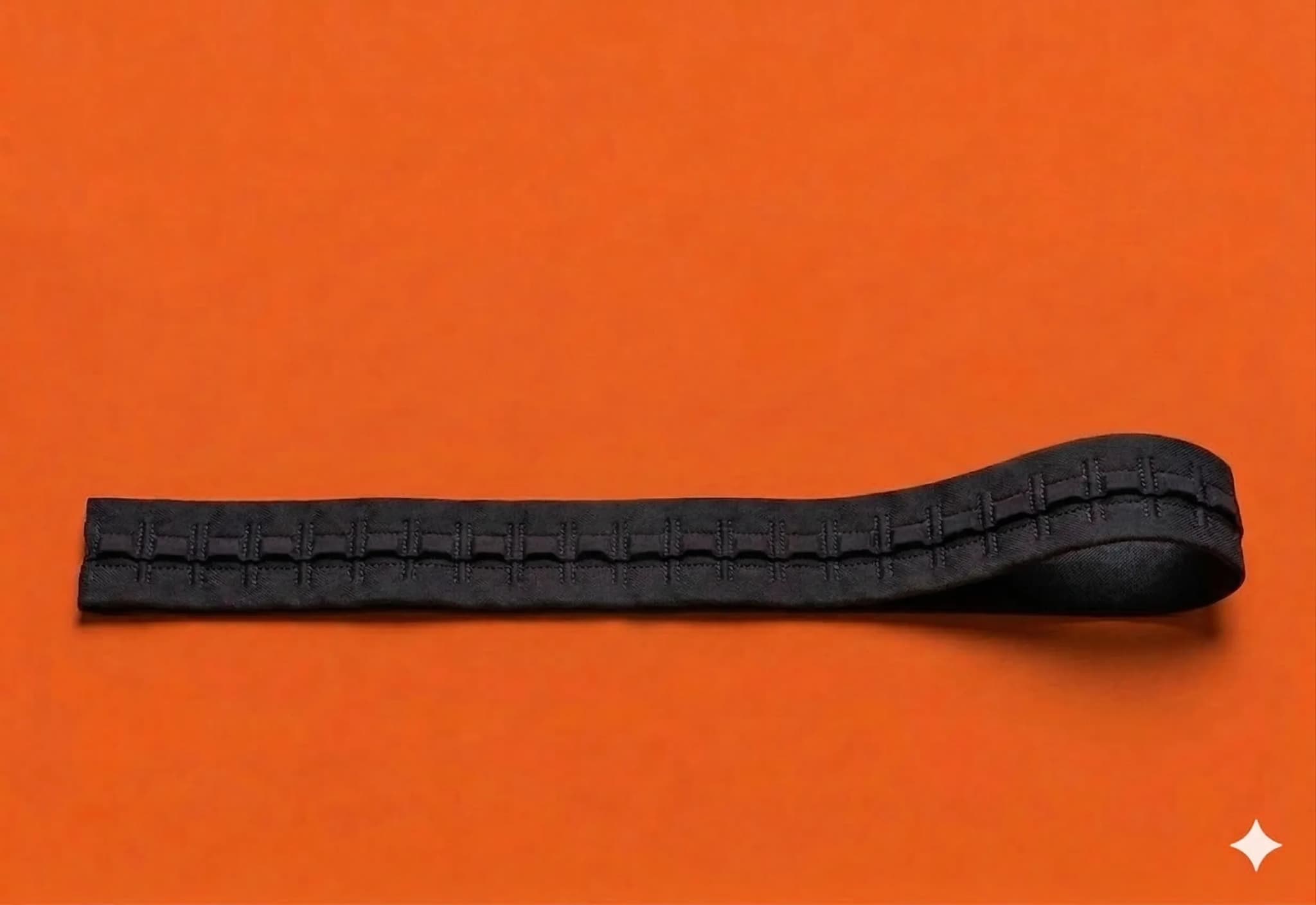
Discreet textile integration
The system is adapted to the demands of luggage and sports equipment: shocks, vibration, extreme conditions. Éric designs proprietary production machines to hold these rates and tolerances.
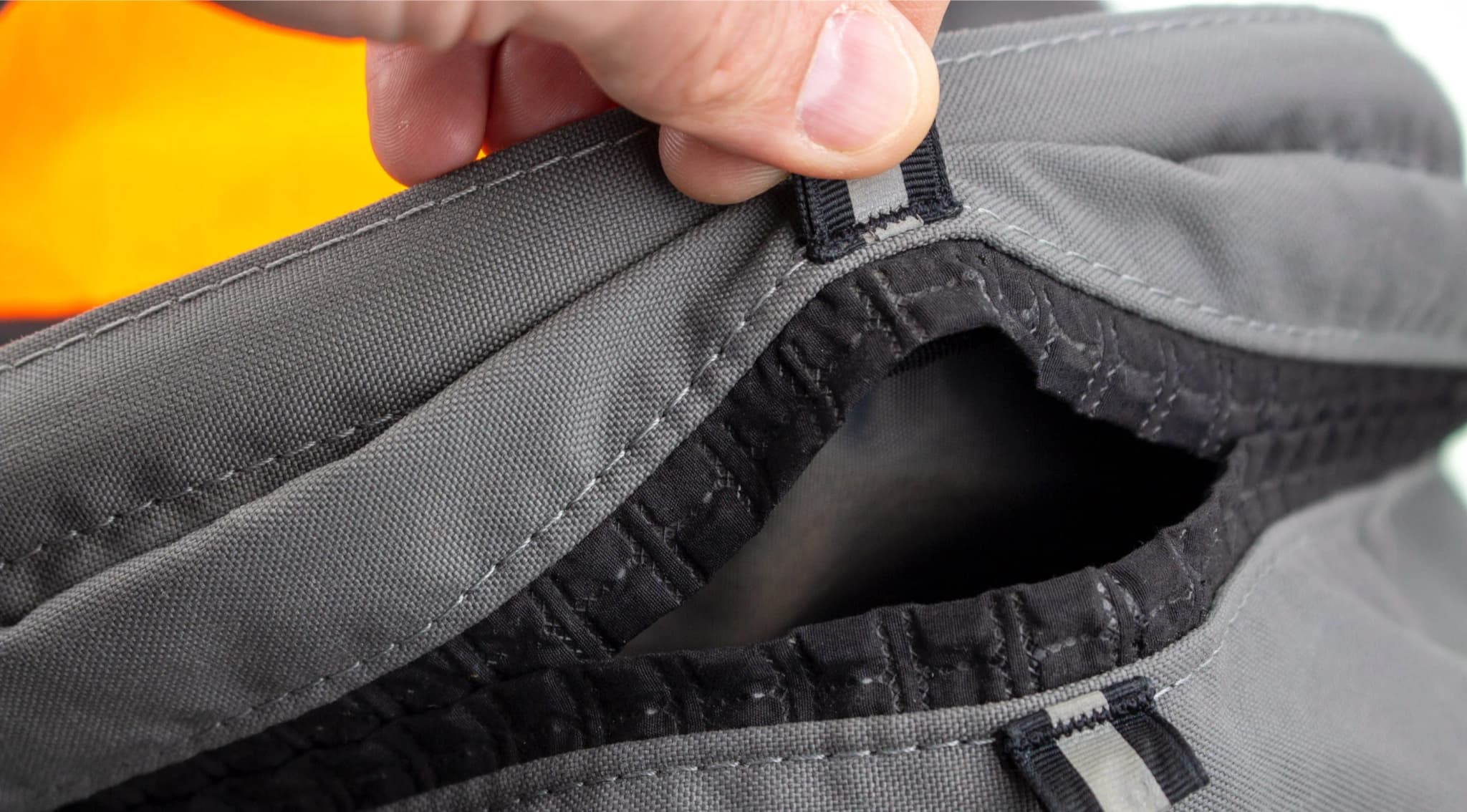
Prototype, trial, validation
Development of the magnetic-closure radiology apron. The radiation-protection patent is filed in France (FR3068822B1) then granted in the United States (US10463088B2), co-owned with an American maker of radiation-protection equipment: the magnetic closure enters a regulated piece of equipment.
FR3068822B1Google PatentsA patented textile technology
Filing of the accessory-support patent (FR3082047A1), granted in the United States (US11233355B2). The technology returns to its origin: letting anyone dress alone, with one hand, without effort.
FR3082047A1Google PatentsThe original overalls, the spark
SYSTEMMAG opens an exploratory R&D phase on advanced uses of magnetism, kept separate from its industrial textile fastening ranges.
Drawing, patent and architecture
The commercial site deliberately keeps established industrial proof in front: patents, OEKO-TEX certification, design and assembly in France, and real-material qualification.
Workshop mastery and production
Nine active international patents. Eric still personally supervises development from the Paris workshop as the technology expands toward technical fashion, industrial protection garments and rehabilitation exoskeletons.
Compact, integrable formats
The full story, year by year: a father's gesture in 1998, the nine patents, two generations of inventors and the rue Bouvier workshop.
Read our storyEvery technical advance is protected by international patents. Our intellectual property portfolio is our most valuable asset.
Design, production and assembly are carried out in France, in our Paris workshop. That proximity ensures quality, responsiveness and traceability.
We do not sell a finished product, we provide a technology. Every client is a partner we support from design through to production.
A closure designed to last for the life of the product means fewer repairs, fewer replacements and less waste.