Isolated magnet
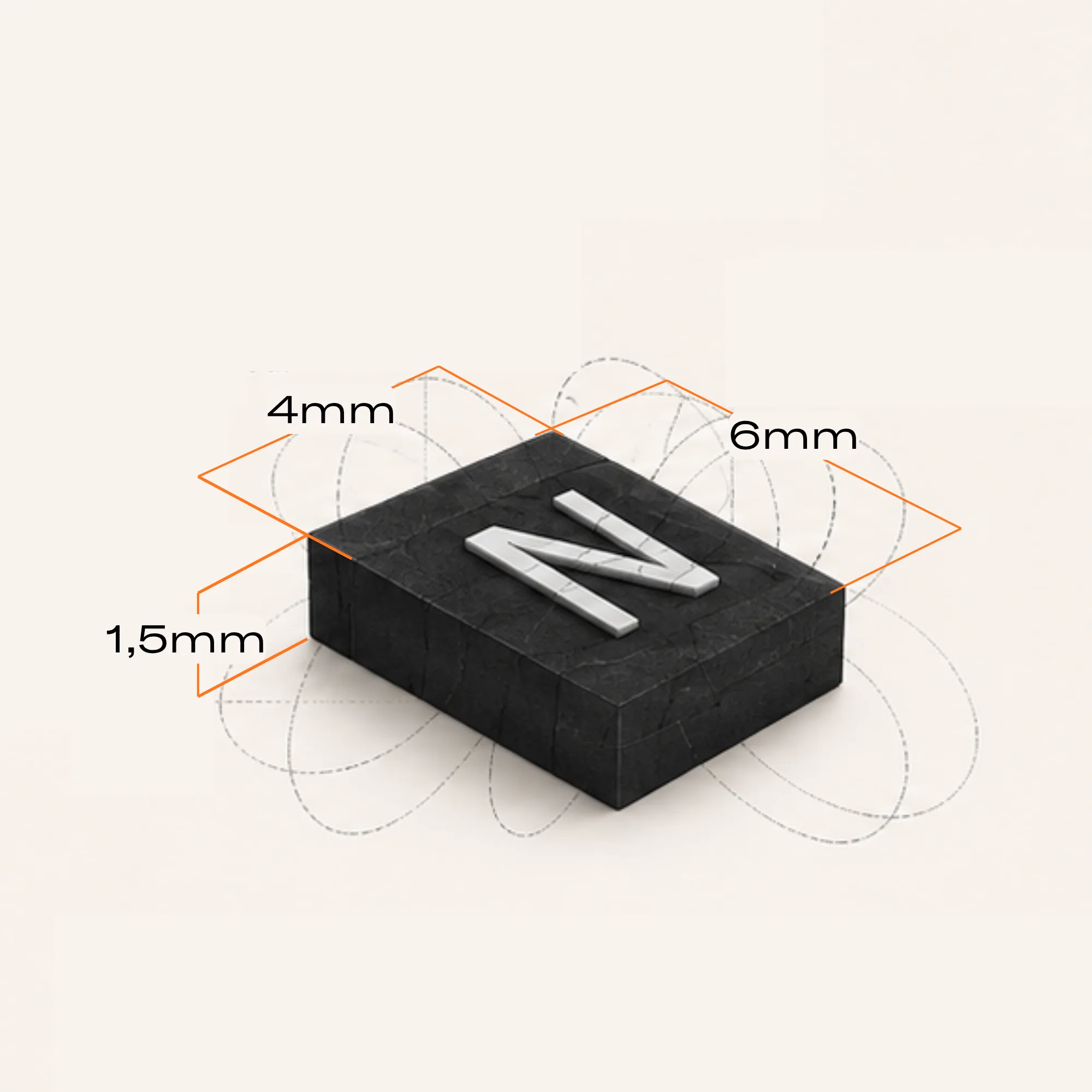
A single magnet spreads its field around its volume. The useful zone stays short and less controlled in a textile substrate.

Systemmag technology
Systemmag’s performance comes from a whole system: alternating polarities, flexible substrates, protective pockets and a qualification protocol. The goal isn’t to glue on a magnet: it’s to integrate a measurable behaviour into your product.
Magnetic principle
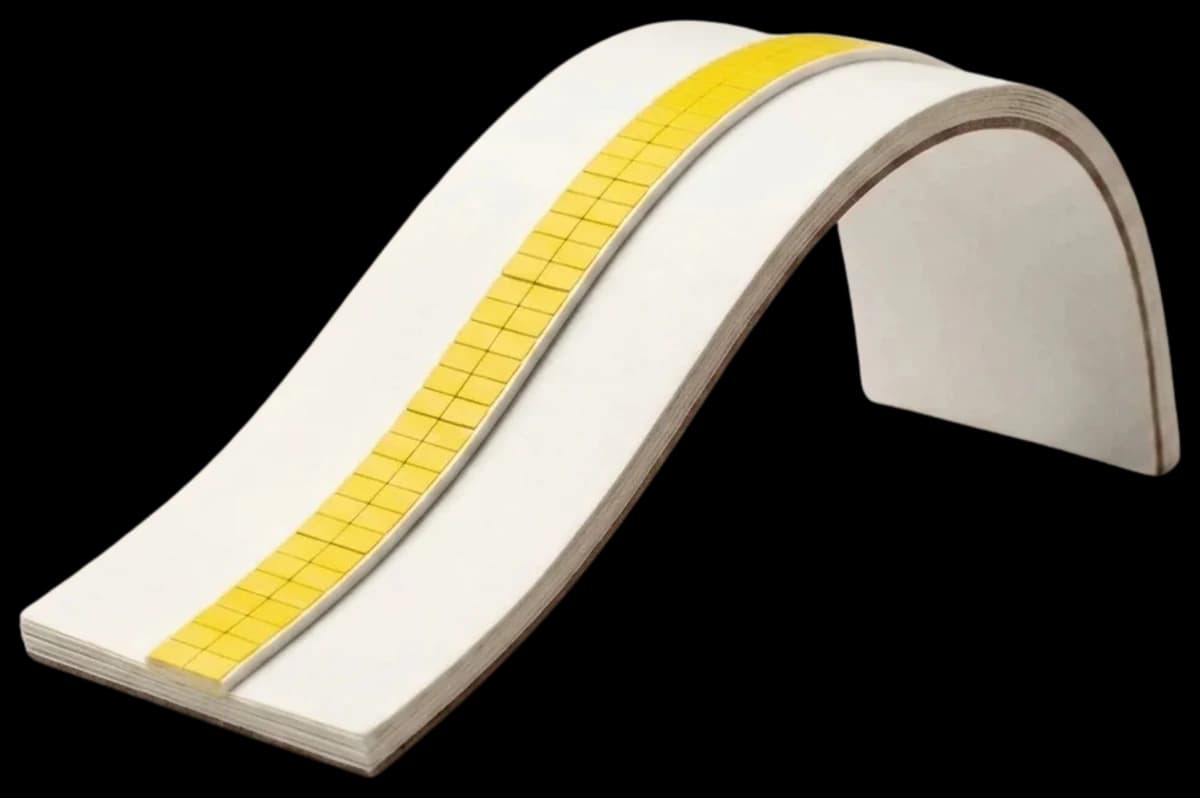
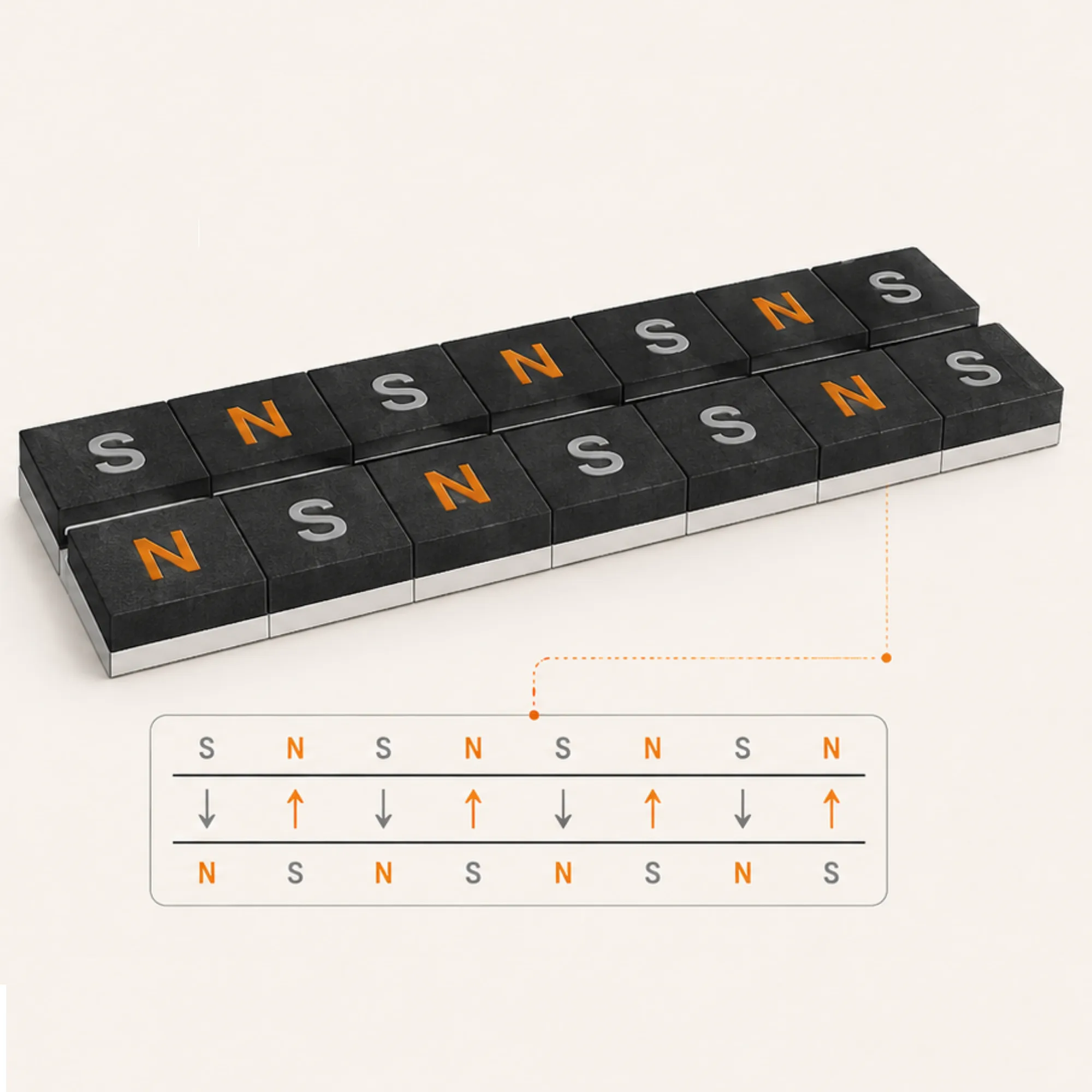
Systemmag doesn’t rely on an isolated magnet, but on a periodic organisation of polarities. The North/South alternation concentrates the field over a useful length, guides self-alignment between two complementary faces and increases the available holding force.
A single magnet spreads its field around its volume. The useful zone stays short and less controlled in a textile substrate.
A succession of alternating-polarity modules creates field bridges between two complementary faces, with hold distributed along the length.
Key terms
The magnetic fastening, its manufacturing process and several applications (lingerie, radiology protection, accessory holders) are covered by nine patents in France, Europe and the United States. Each number links to its publication.
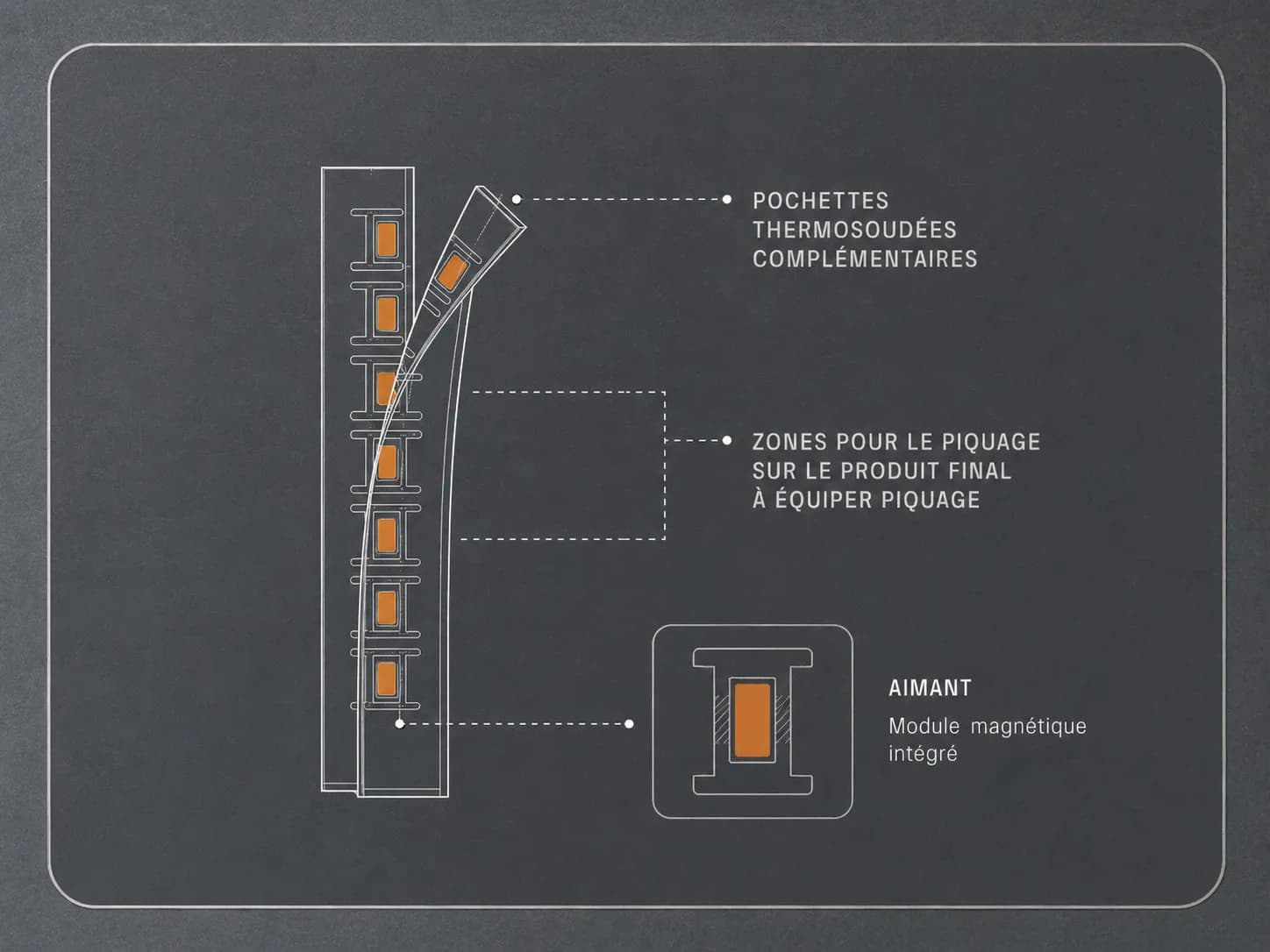
Each configuration is validated on the real substrate: material, thickness, attachment method, usage cycles and production constraints.
Integration approaches
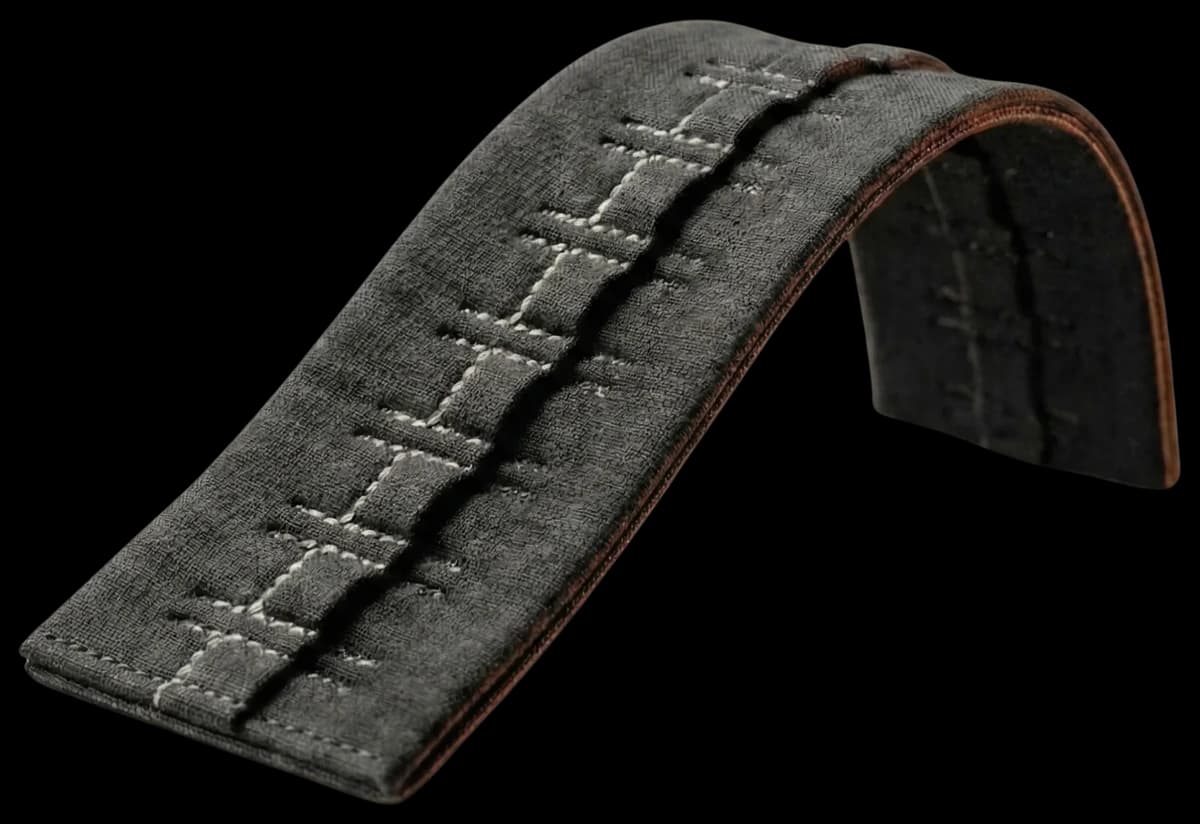
The technology adapts to your level of maturity: a band to test, a localised block, a ready-to-sew sheath or an architecture developed with the design office.
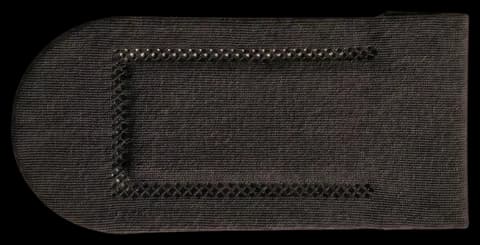
Ready to sew in, in side (ZIP C) or centred (ZIP G) geometry, for openings that must stay discreet.
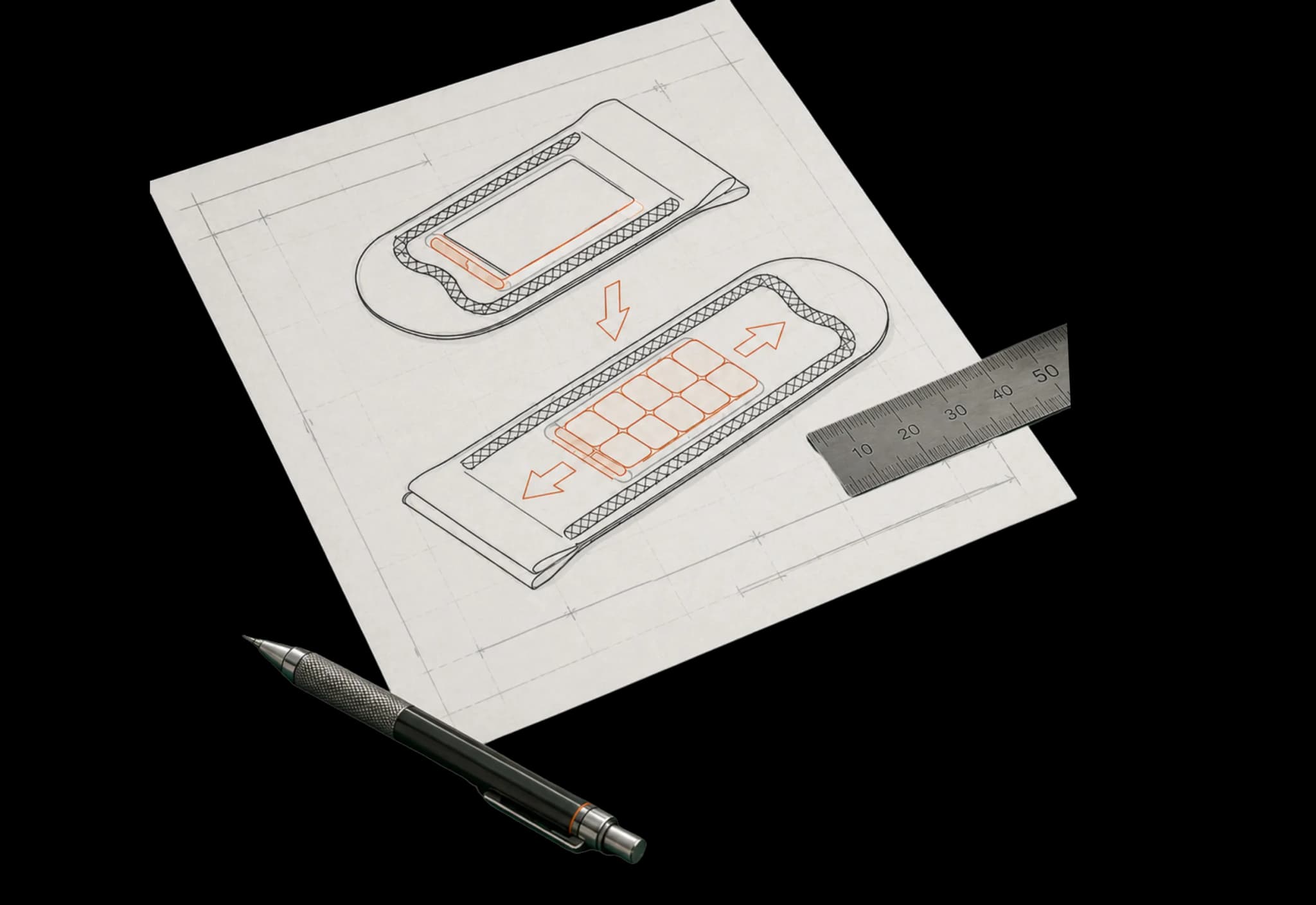
Technical scoping, integration drawing and adaptation to your product's constraints.
The design office method, from scoping to the sewn prototype.
Ready-to-sew closures in side or centred geometry.
Magnet blocks cut to the required length, for linear closures.
Integration project
From your material, your geometry and the expected gesture, Systemmag helps you choose an existing format or scope a custom architecture.